Publushed 10/05/2025
Time to read 7 minutes
What Are Chargeback Prevention Alerts?
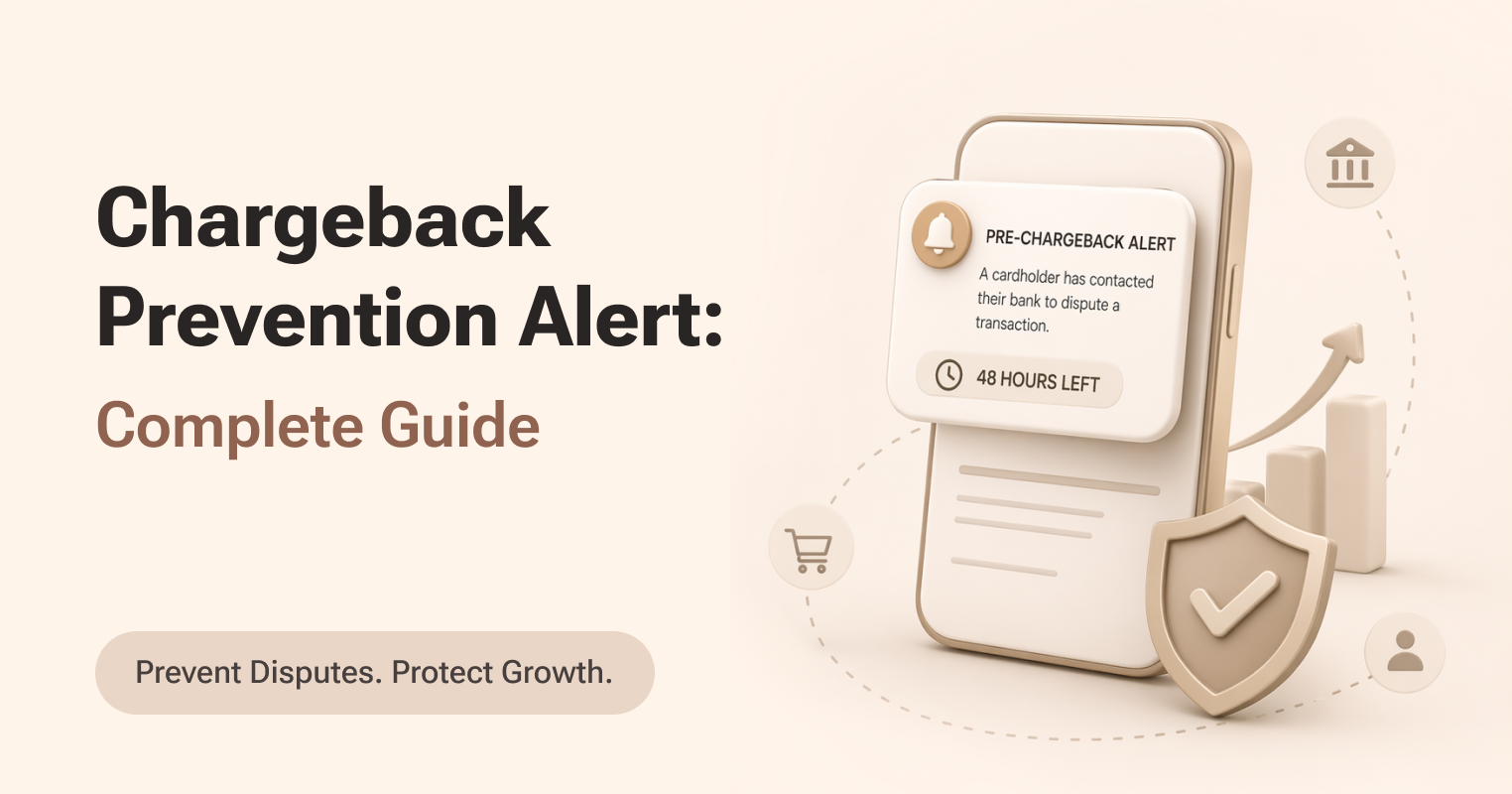
A phone call from a shopper to their bank can throw a wrench in a sale and nudge a merchant's chargeback ratio toward the penalty zone. Until the mid-2000s, the first warning a merchant received was a fax or envelope that arrived days after the dispute was filed. With only 7–14 days to compile evidence, most businesses just swallowed the loss.
That all changed in 2005 when two startups, Verifi and Ethoca, introduced a real-time "pre-chargeback" alert service. Fast forward to 2019, and Mastercard acquired Ethoca while Visa picked up Verifi, seamlessly integrating these services into their card networks. Now, in 2025, chargeback alert services have come a long way from just a simple notification. So, what do these alerts look like, how do they function, and why should merchants still pay attention?
What Is a Chargeback Prevention Alert?
A chargeback prevention alert is an early-warning notification that lets you know a cardholder has contacted their issuing bank to dispute a transaction, but the dispute hasn't yet progressed to a formal chargeback.
When you enroll in an alert network, for example, Verifi (Cardholder Dispute Resolution Network), CDRN, Ethoca Alerts, or Rapid Dispute Resolution, you receive a message usually within seconds to minutes, containing order details, the reason code, and a short window (24–72 hours) to resolve the issue directly with the customer or issue a refund.
If you act in time, the bank closes the case, and no chargeback is recorded against your merchant account.
New statistics from Mastercard and Datos Insights indicate that chargebacks are climbing sharply: we can expect global dispute volume to increase by 24 percent between 2025 and 2028, reaching about 324 million cases each year.
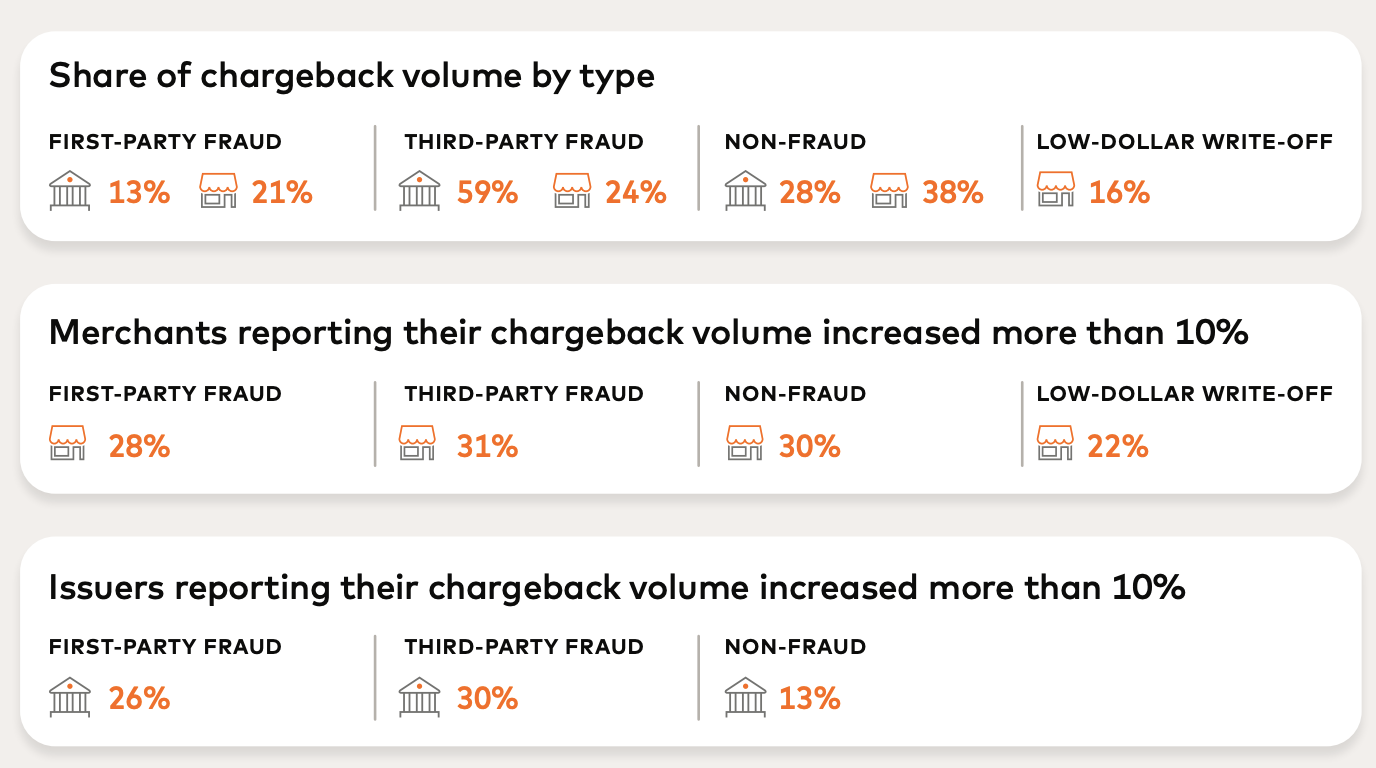
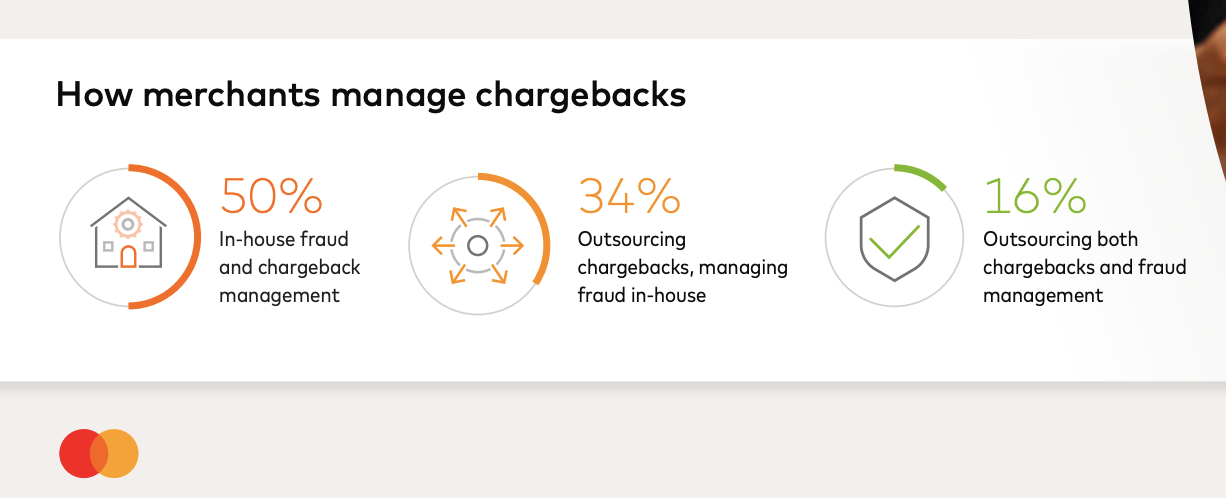
Mastercard points out that both merchants and acquirers need the right insights and tools to quickly resolve disputes and prevent them from escalating into chargebacks. One of the tactics they're employing to tackle chargebacks is the use of alerts.
Why Do Alerts Matter?
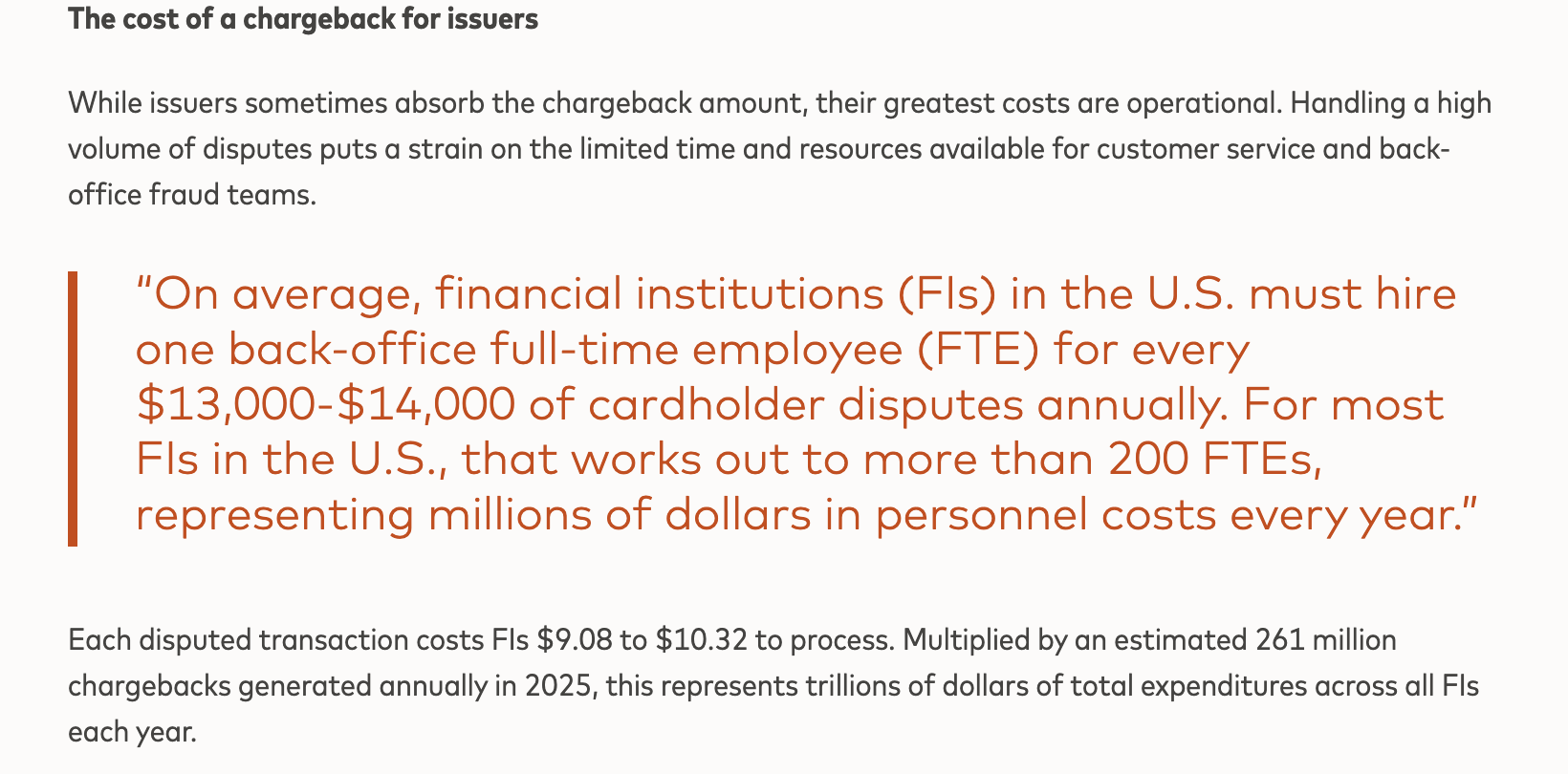
Chargeback prevention alerts became a thing because the traditional dispute process left merchants as the last to know, and the first to pay the price. Below is a timeline of the forces that pushed the industry to create a real-time early-warning system.
- 1970s–2000 — Consumer protection without merchant protection. The original chargeback rules (Fair Credit Billing Act, 1974) were designed solely to shield cardholders. Merchants simply received notice that a chargeback had already been filed; by then, the money was gone, and the ratio penalty clock had started.
- 2005 — Two startups spot the gap. Verifi (Los Angeles) launches CDRN to give merchants a heads-up before Visa disputes formalize, while Ethoca (Toronto) debuts with a similar alert model focused on Mastercard and cross-border fraud.
- 2015–2017 — EMV & mobile commerce explode dispute volume. The EMV liability shift in the U.S. pushed fraud online, where chip cards offer no protection. Visa Claims Resolution (2017) and Mastercard's later changes compressed response windows, making early notice even more valuable.
- 2018–2019 — Networks acquire the alert providers. Mastercard bought Ethoca in 2019, and Visa followed by acquiring Verifi in 2019. Overnight, the alert networks became official network services.
- 2020 — COVID-19 & the friendly-fraud tsunami. E-commerce volumes and friendly-fraud rates both spiked during global lockdowns. Friendly fraud incidents had risen between 20–30 percent in 2022 across global markets.
- 2021–present — From alerts to automation. With the networks owning the alert rails, they layered on Rapid Dispute Resolution (RDR) and Collaboration tools that let merchants set rules for instant refunds.
In short, chargeback prevention alerts emerged because merchants needed a faster and fairer way to resolve disputes before they became costly chargebacks, and card networks realized that real-time data sharing could protect both consumers and the integrity of the payment system.
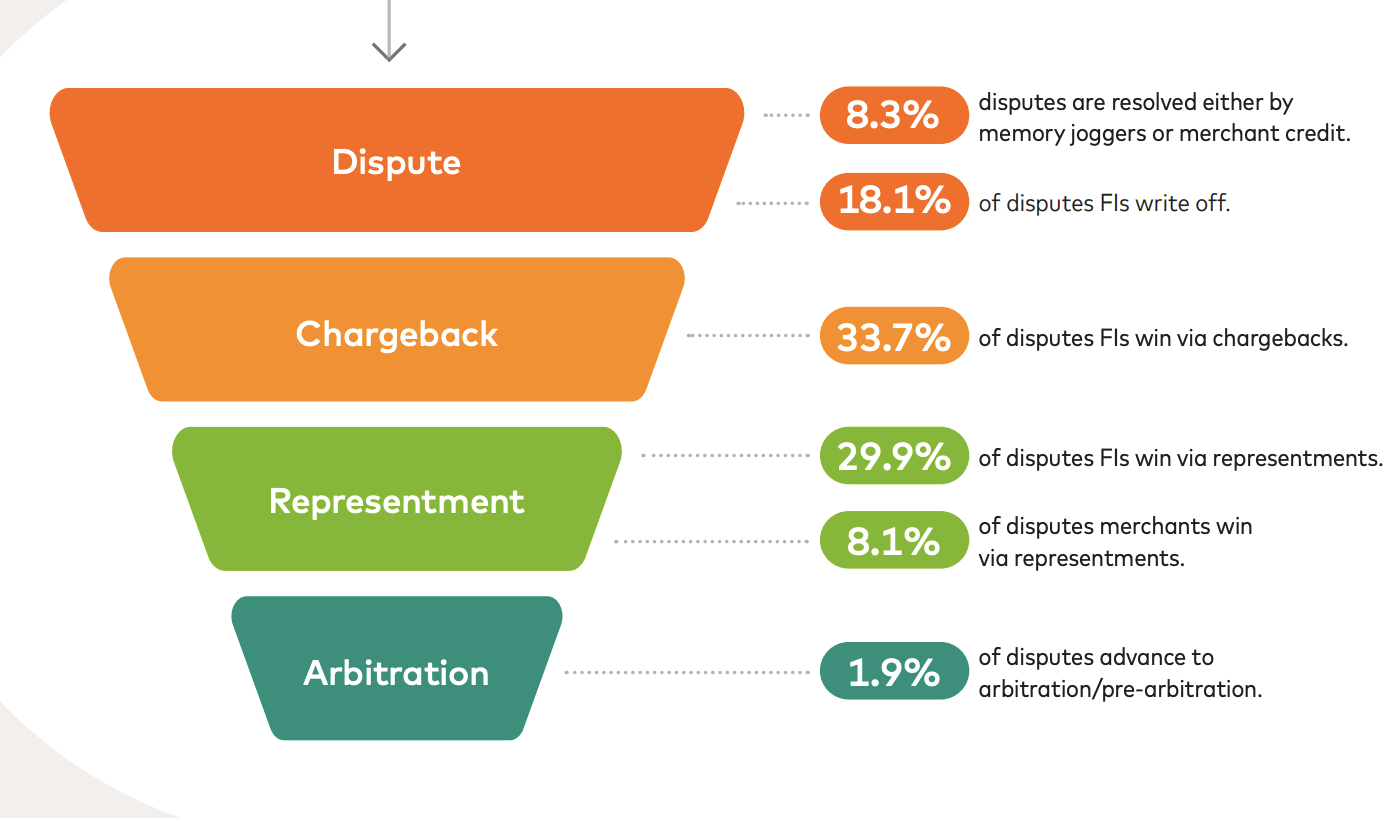
The card-network dispute lifecycle has four critical inflection points: cardholder complaint, alert stage (where prevention services intercept), provisional credit and chargeback creation, and representment or arbitration. Alerts start at stage 2. Merchants who ignore them jump straight to stage 3, where the damage has already begun. Industry data shows alerts can cut overall dispute volume by 20–40 percent almost overnight.
How Do Chargeback Alert Networks Work?
When a consumer calls the 1-800 number on the back of the card, the issuer's agent opens a case in their dispute system. Instead of instantly creating a chargeback, the bank first queries Verifi/Ethoca to see if the merchant subscribes to alerts. If yes, the network routes the order details to the merchant's designated endpoint. The merchant can then issue a full or partial refund, provide digital receipts or tracking info, or escalate to customer support for clarification. If the merchant resolves the issue within the alert window, the issuer marks the case "closed — merchant resolved," and no chargeback is generated.
The Two Dominant Alert Networks
- Verifi (Visa) CDRN — Coverage: Visa, 80% of U.S. issuers. Alert window: 24–72 hours. Integration: REST API, batch SFTP, or processor plugins.
- Ethoca (Mastercard) Alerts — Coverage: Mastercard + major global issuers. Alert window: 30–60 minutes. Integration: similar APIs; best practice is to run both for maximum coverage.
ROI Math: Why a $35 Alert Fee Beats a $200 Chargeback
- Alert fee: $25–$40 per incident
- Chargeback fee: $25–$100 processor penalty + interchange clawback + cost of goods + operational overhead ≈ $190–$240 total
A merchant who prevents 100 disputes via alerts spends ~$3,500 in fees but avoids ~$20,000 in true cost — an 82% net saving.
What Are the Steps for Setting Up an Alert Program?
Choose Coverage
Look at your sales receipts to see which card brands your shoppers use most. If roughly 70% of your charges are on Visa cards, begin with Verifi. If you sell worldwide with a large share of Mastercard payments, add Ethoca. Many payment processors now sell a single package that includes both networks.
Data Matching
Give the alert provider a daily feed of your transactions with these fields:
- TID (unique Transaction ID assigned by your gateway)
- ARN (Acquirer Reference Number — 23-digit trace number)
- Customer's email address and phone number
- SKU or product code
- Exact timestamp of the purchase
The matching engine uses these data points to pair an incoming bank dispute with the correct order. Any missing or messy fields will cause the alert to miss you, so clean, complete data is critical.
Workflow Rules
Set up "if-this-then-that" rules. A common starting point: automatically refund any order under $25 within minutes, but send anything larger to a human reviewer. Route subscription-related disputes straight to your retention team so they can offer downgrades or credits instead of a blunt refund.
Staff Training
Train your support agents to open an alert ticket within 15 minutes during business hours. When they issue the refund, they should use the reason code "customer complaint resolved" so card brands see the dispute was handled pre-chargeback, which keeps your record clean.
Continuous Monitoring
Watch one key metric: the percentage of alerts that still turn into chargebacks. Industry best practice is to keep this below 7%. If the rate climbs higher, look for data delays (the ARN didn't arrive fast enough) or slow internal resolution (refunds took too long) and fix those bottlenecks.
What Are the Common Pitfalls and How to Fix Them?
- Over-refunding. Auto-refunding every alert eats into profit margins. Filter by reason code: 10.4 (fraud) → worth refunding; 13.1 (product not as described) → contest with supporting evidence.
- Ignoring match rate issues. If only 60% of disputes generate alerts, you could be missing ARNs or have a mismatch in customer data. Work with your gateway to ensure all fields are filled correctly.
- Alert fatigue. Agents may see the same alert twice — once from each network. Use deduplication logic (based on ARN + amount) to cut down on noise.
What Must Merchants Focus on When Integrating Chargeback Alerts?
Integrating Alerts into a Broader Prevention Stack
Alerts are not a silver bullet. They should layer on top of:
- Fraud filters: AVS, CVV, 3-D Secure, device fingerprinting
- Customer clarity: recognizable billing descriptors, instant receipts, shipping notifications
- Post-purchase excellence: 24-hour support SLA, hassle-free returns, subscription reminders
Advanced Tactics
Modern platforms feed alert outcomes into machine-learning models to predict which future orders are likely to generate disputes. If a new customer matches the profile of past alert-triggered fraud, the system can require 3-D Secure, delay shipment for manual review, or offer an instant "cancel & refund" button inside the wallet or email receipt.
Legal & Compliance Considerations
- GDPR/CCPA: Ensure that personal data shared with alert networks is minimized (e.g., hash emails and phone numbers).
- Network rules: Visa requires merchants to respond to CDRN alerts within 24 hours; Mastercard Ethoca within 1 hour. Failure to respond voids the alert, and the chargeback proceeds.
Quick-Start Checklist for Merchants
- Map your Visa vs. Mastercard volume and choose alert provider(s)
- Export the last 90 days of chargeback reason codes to identify alert eligibility
- Integrate alert feed into CRM or Zendesk within 5 business days
- Write SOP: alert SLA <30 min, refund vs. evidence matrix
- Train the support team and do a 2-week dry run before go-live
- Monitor KPI: alert match rate >90%, alert-to-chargeback conversion <5%
Where Does a Chargeback Management Provider Help?
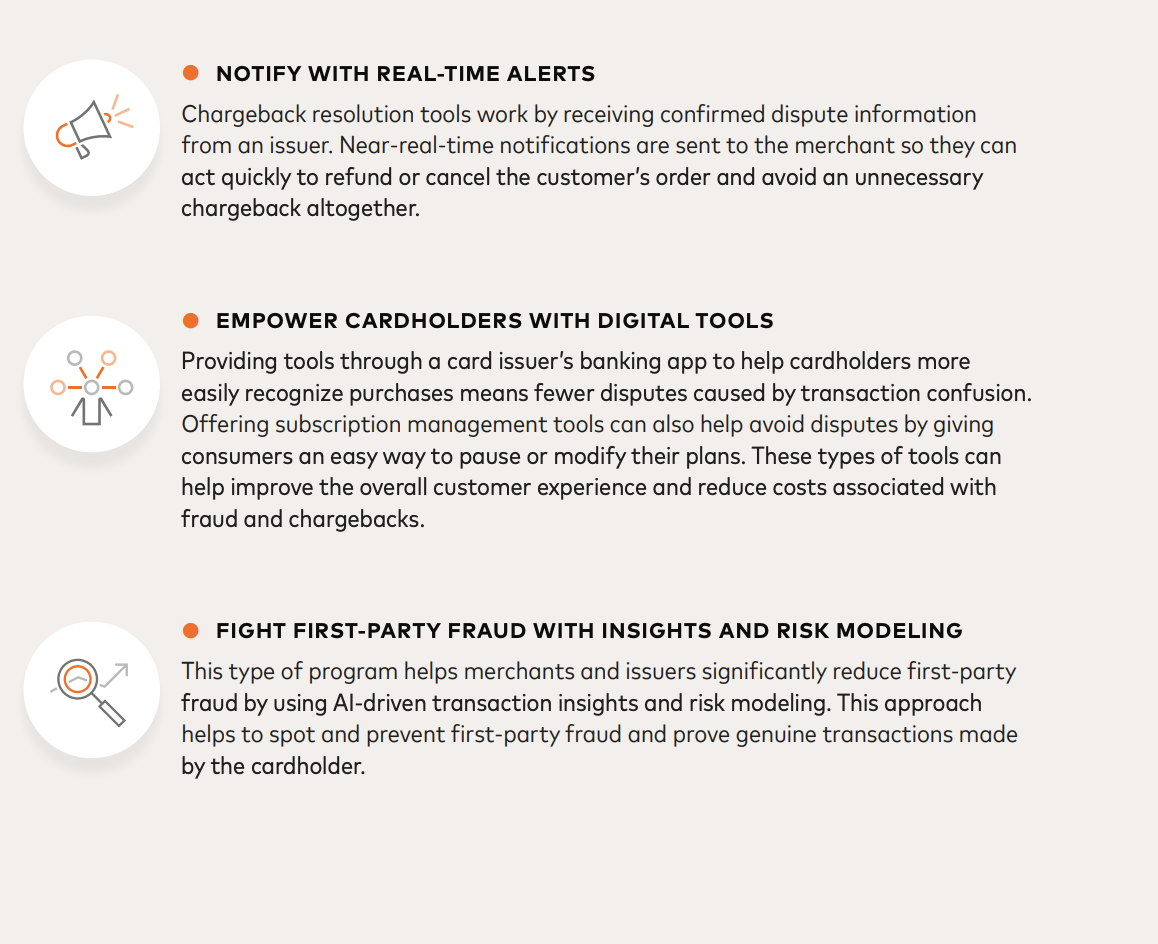
Think of chargeback alerts as your last-minute chance to prevent a dispute from spiraling into a bigger issue. When a customer raises a complaint with their bank, the alert notifies you first, giving you a brief opportunity to refund, clarify, or send out the missing item without the burden of extra paperwork, penalties, or any negative hit to your processing limits.
These alerts work best when paired with strong fraud filters and quick customer support, but if your alert partner misses even 30–40 percent of these pings or drags its feet, penalties can still pile up and your processor can walk away.
Payments Lab provides chargeback management services that tie all the pieces together: tight fraud screening, instant alert coverage, and one-click evidence uploads. Disputes get solved before they ever become chargebacks, so your revenue and your banking relationship stay safe.
Share this post
Recommended articles
© 2026 Payments Lab Ltd. All rights reserved.
© 2026 Payments Lab Ltd. All rights reserved.